Project Due Diligence & Technical Advisory
Independent acquisition and JV support, risk assessment and exploration potential of gold projects that are increasingly shaped by artisanal and small-scale gold mining (ASGM).
Gold Project Due Diligence

Whether you are a private investor considering entry into a new gold mining district or a company requiring an independent second opinion from a Qualified Person (QP) on a gold exploration project, Mynah Exploration delivers rigorous, impartial technical assessments.
Technical due diligence draws on decades of direct field experience. Historical data is compiled, geological models constructed and exploration upside is assessed. Resource models are reviewed and jurisdictional risk is evaluated — all delivered in a clear language that supports sound decision-making.
All engagements are strictly confidential.
Technical due diligence mandates have included gold deposits in Zimbabwe, Sudan, Iran, PNG, and South America, ancient and historic gold mines in Egypt, and gold districts in West Africa.
3D Vein Modelling
Understanding the three-dimensional geometry of ore-bearing vein systems is critical for mine planning, resource development, and maximizing gold recovery.
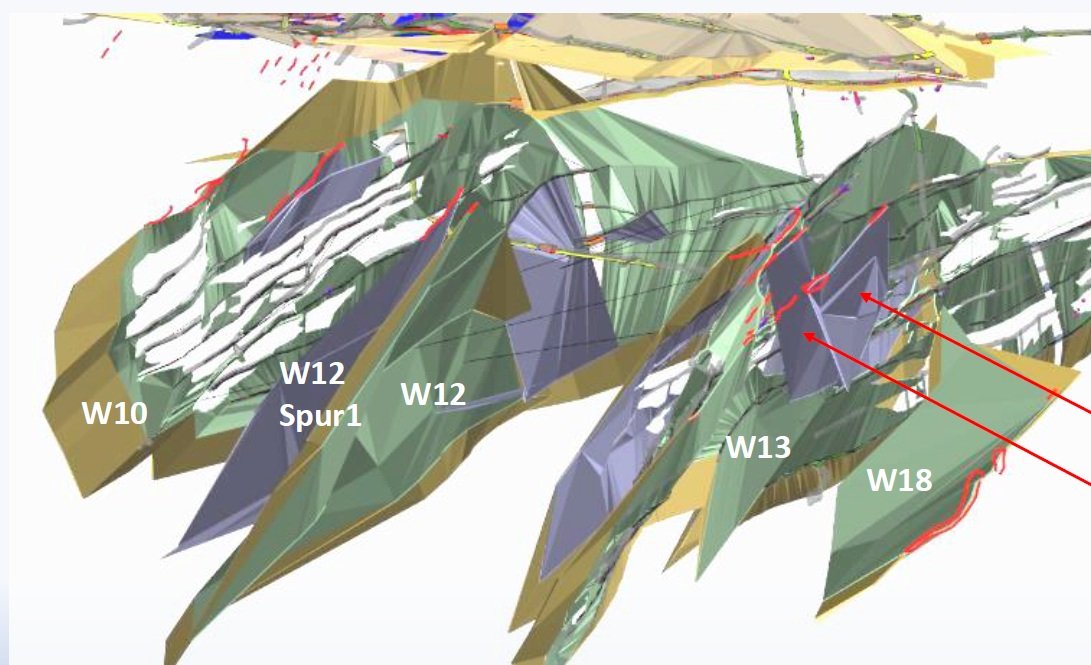
Mynah Exploration is experienced at 3D explicit vein modelling, where veins are manually built up using core descriptions, structures like alpha angles for quartz veins, and gold grades from core or underground,and mineral alteration.
Turn historical mine maps into three-dimensional structures, discover new veins, and identify plunge directions of ore shoots.
The flythrough video above shows an extensive hand-modelled 3D vein system for the historic Venice Mine Complex in Zimbabwe, with surface artisanal gold workings shown in red, illustrating the relationship between artisanal mining activity and the underlying vein architecture.
Laterite Regolith Expertise
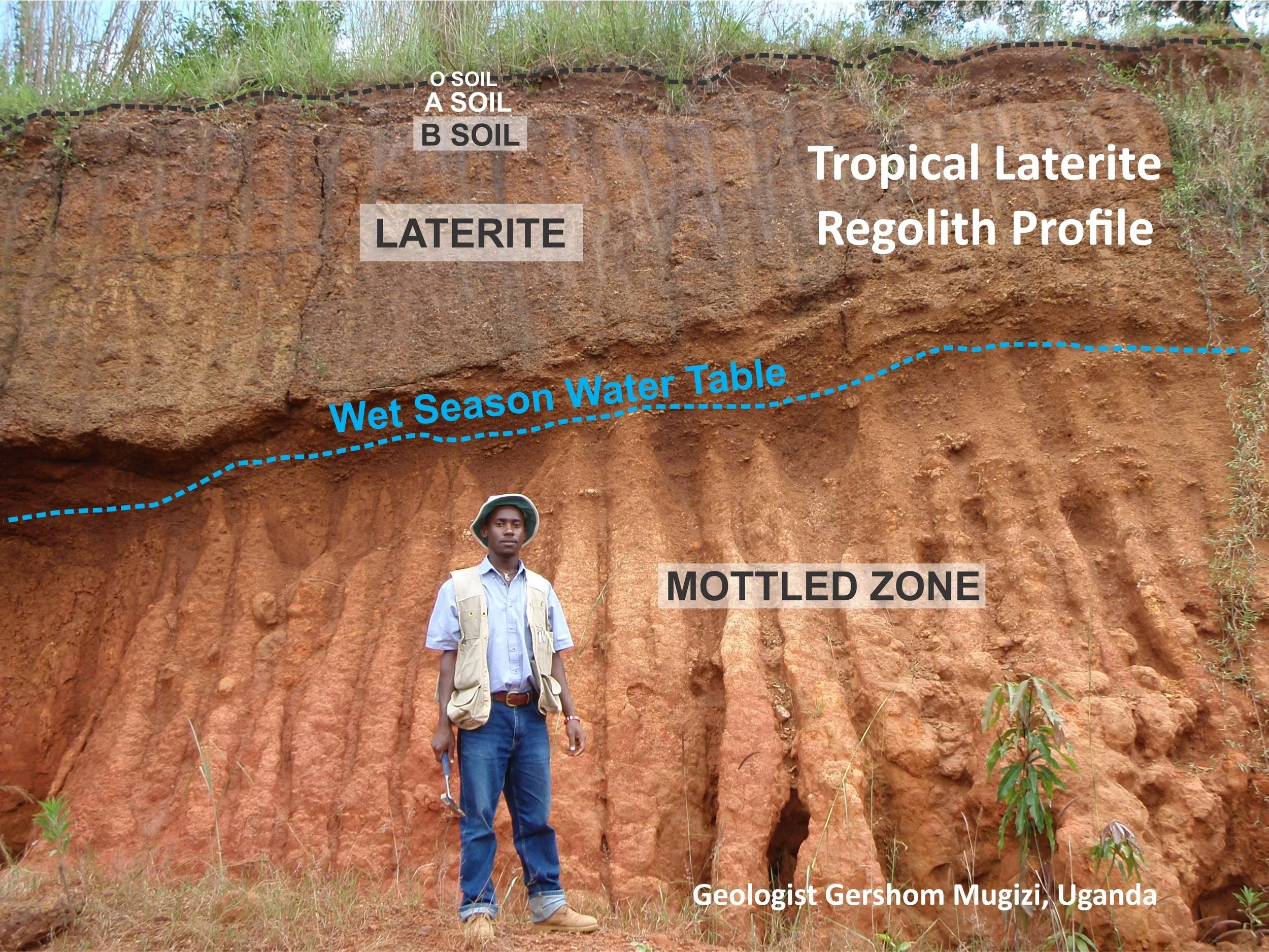
Regolith is everything that covers the bedrock, including vegetation, soil and loose rocks. In the tropics, the regolith is quite deep, in places up to 150 meters before reaching fresh bedrock. This is caused by the warm climates, seasonal rainfall, and time.
The tropical laterite regolith is therefore deeply weathered, chemically complex, and where it overlies gold-bearing rocks and veins, the laterite is capable of hosting significant supergene gold enrichment.
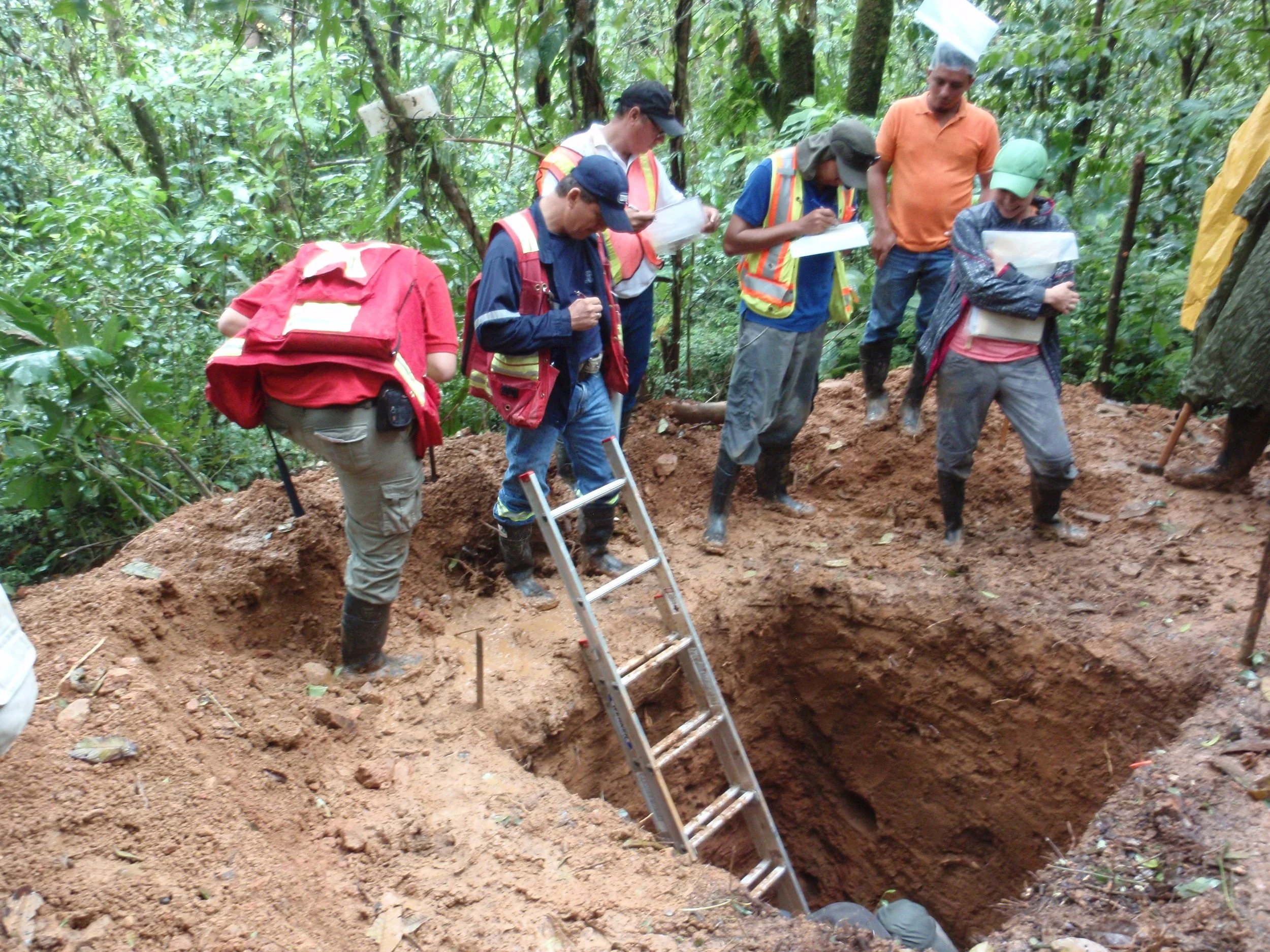
Danae Voormeij has over 25 years of international experience in laterite gold and copper exploration. She has designed and trained field teams for soil sampling programs across Madagascar, Uganda, Liberia, Nicaragua, Papua New Guinea, the Philippines and Suriname.
The book (pdf) Gold Exploration in Tropical landscapes describes all the layers of the laterite regolith profile in great details.
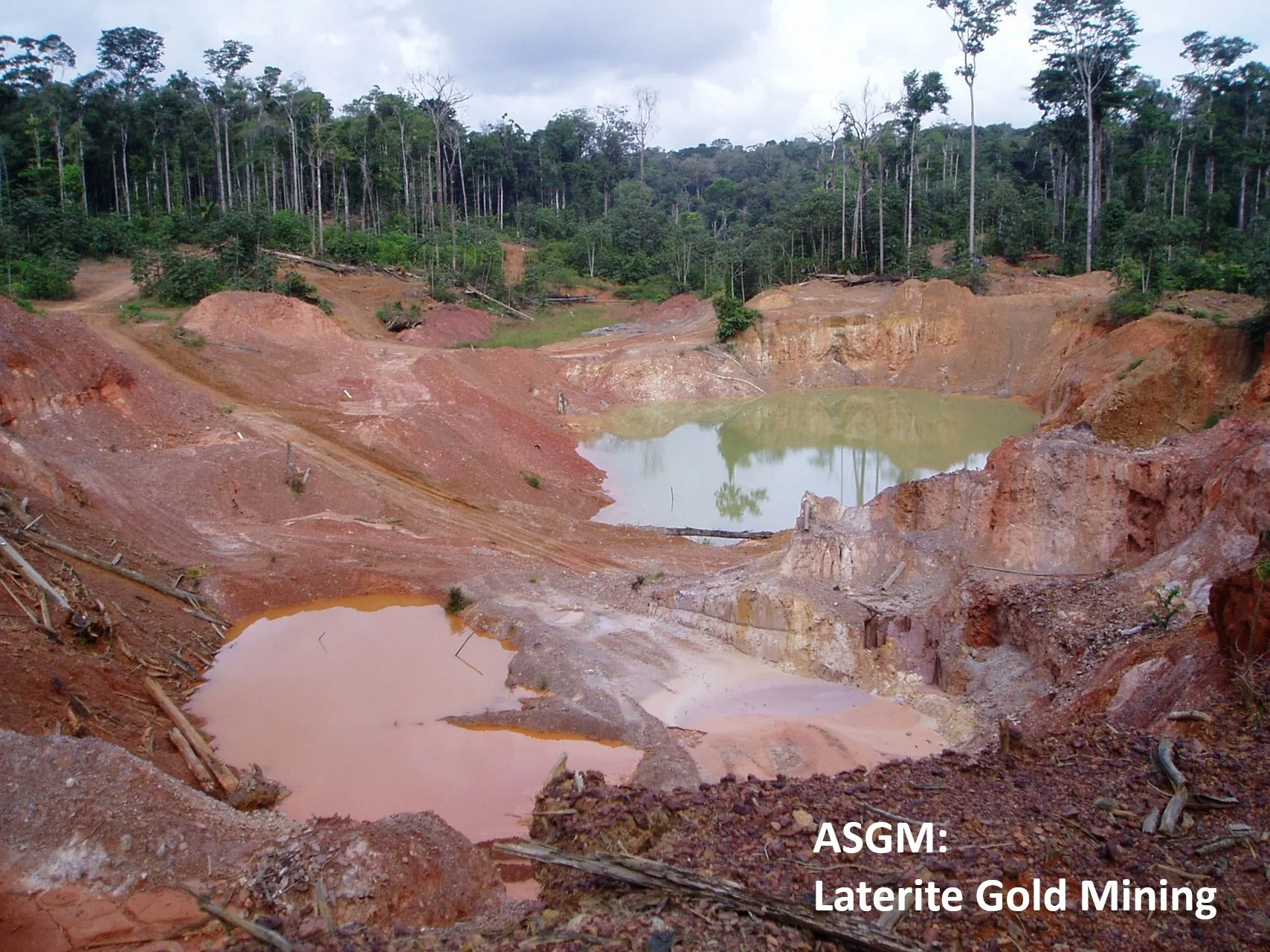
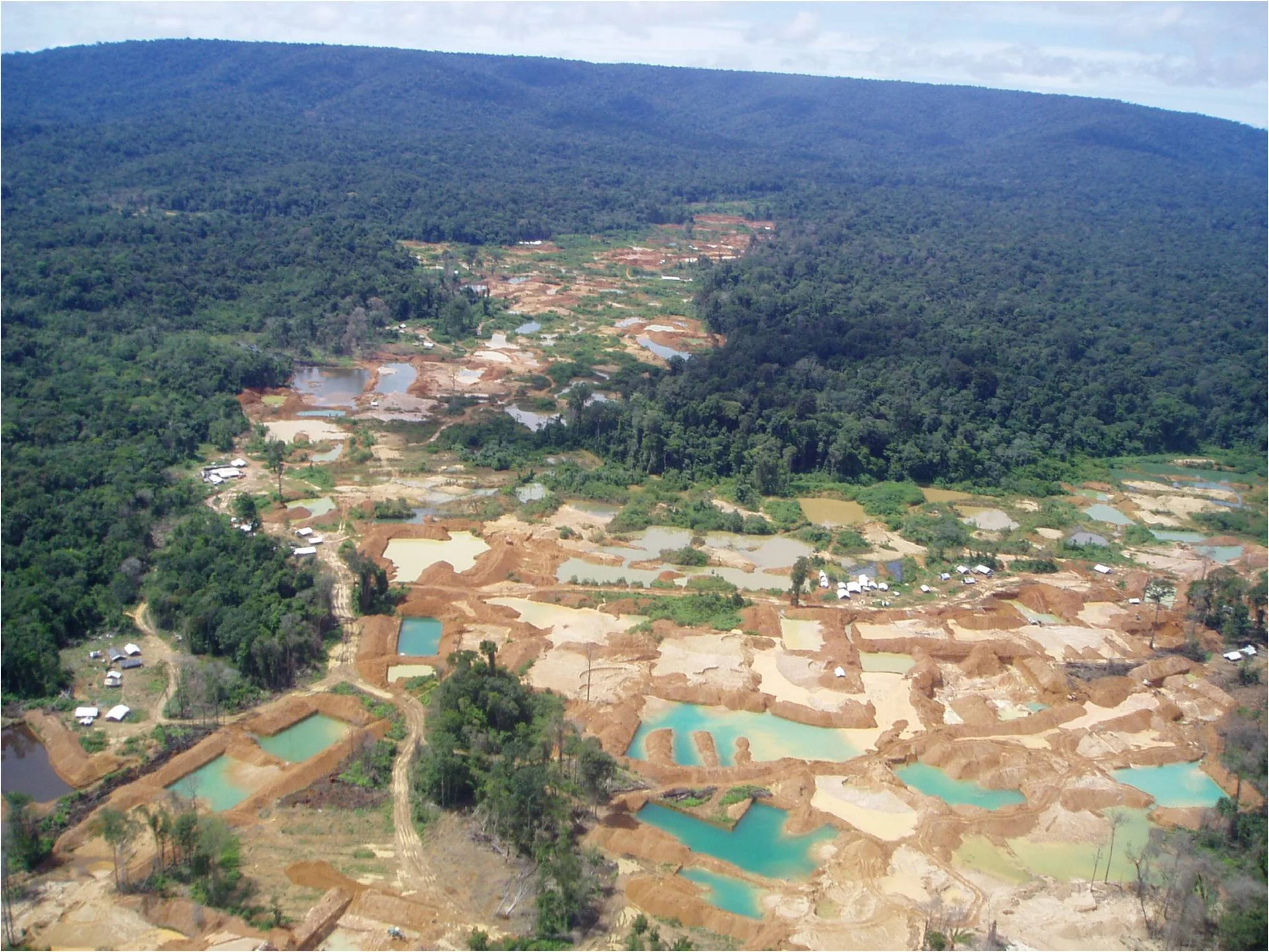
Interpretation of Artisanal and Small-Scale Gold Mining (ASGM)
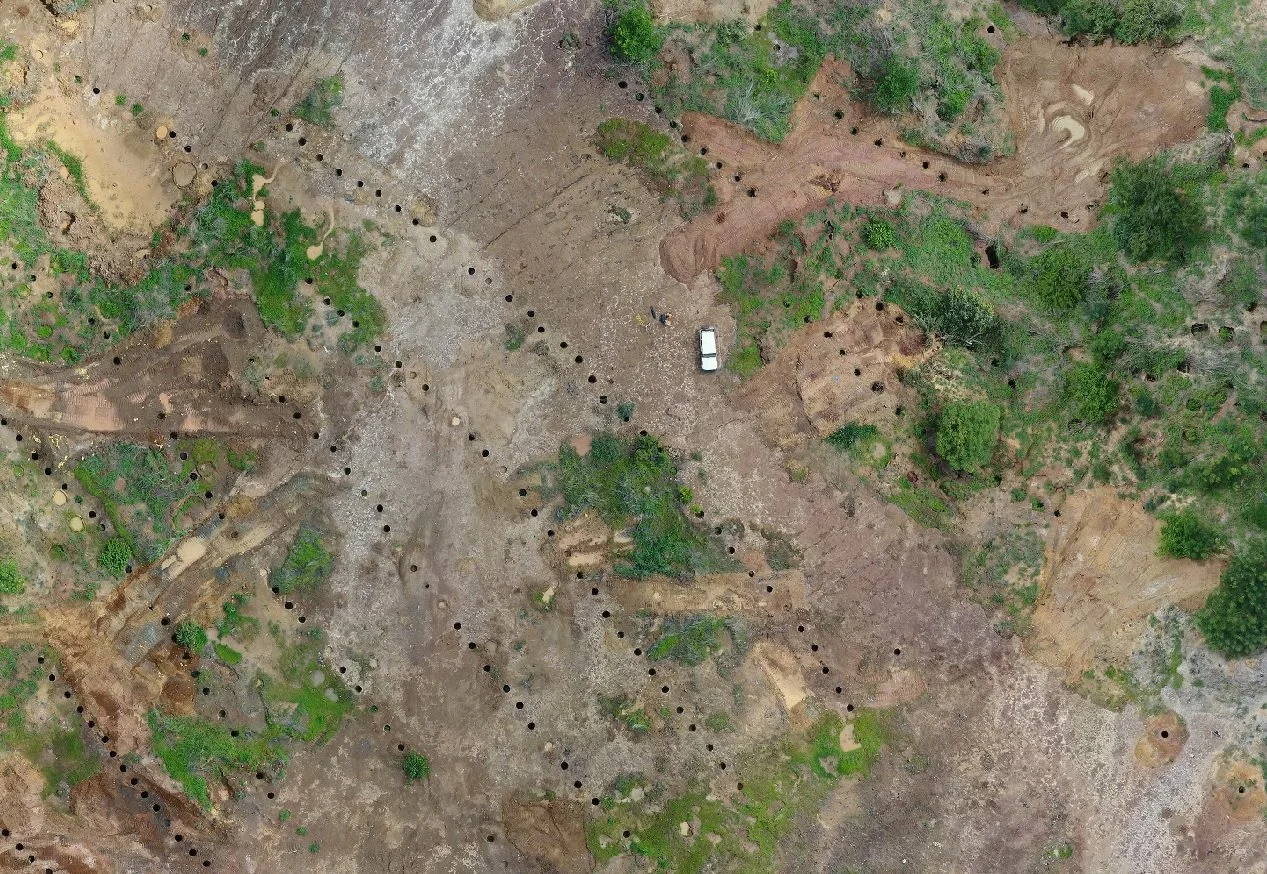
Artisanal and small-scale gold miners are the best prospectors in the world. Understanding what their workings reveal geologically is a powerful and underutilized exploration tool.
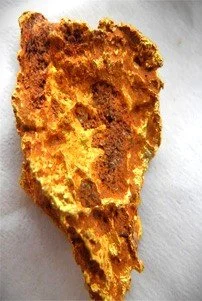
It is possible to interpret artisanal mining patterns in the laterite regolith and obtain information about the gold-system in the bedrock below.
Field Team Mentorship
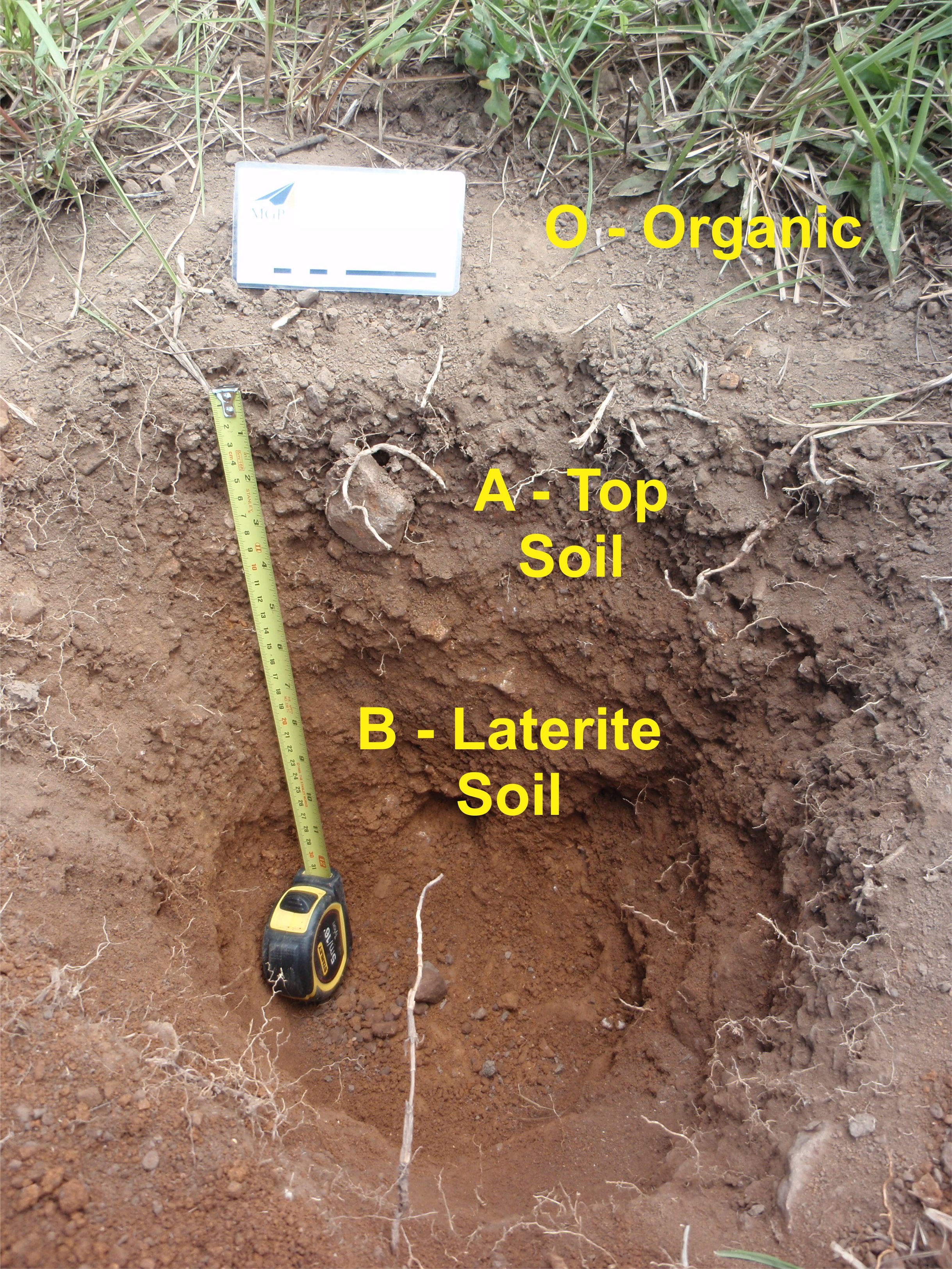
Laterite B soil sampling is a precise discipline. Consistent, correct soil horizon identification is what turns raw soil into discovery data.
The laterite regolith starts with the O layer, which has vegetation and is organic.
Then the A top soil, which is dark-grey brown in colour and has many fine white rootlets growing in it.
Next is the red laterite soil, also known as B soil. It has a clay rich matrix and can be massive or gravelly.